Introduction
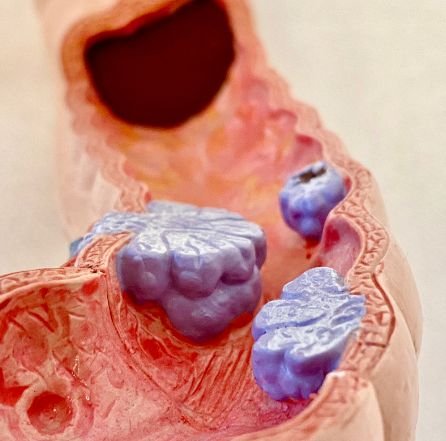
Colorectal cancer is one of the most common cancers diagnosed in the UK, affecting both men and women. It starts as a growth called a polyp in the inner lining of the colon or rectum. Over time, some polyps can become cancerous. The good news is that colorectal cancer is highly treatable, especially when caught early.
In this blog post, I will explain the key symptoms to look out for, why screening saves lives, and the modern surgical options available – including laparoscopic and robotic techniques that I specialise in.
Recognising the Symptoms
Many people with early colorectal cancer have no symptoms. That is why screening is so important. However, when symptoms do appear, they may include:
- A persistent change in bowel habit (diarrhoea, constipation, or narrower stools lasting more than a few weeks)
- Rectal bleeding or blood in your stool (bright red or very dark)
- Persistent abdominal discomfort, such as cramps, gas, or pain
- A feeling that your bowel does not empty completely
- Unexplained weight loss or fatigue
If you experience any of these symptoms, please see your GP or a colorectal specialist promptly. Most symptoms are not due to cancer, but they need to be checked.
The Importance of Screening
In England, the NHS Bowel Cancer Screening Programme sends home testing kits (FIT – Faecal Immunochemical Test) to people aged 60 to 74. If you are older or have a strong family history, you may be eligible for regular colonoscopy screening.
Screening can detect polyps before they become cancerous. Removing these polyps during a colonoscopy can prevent colorectal cancer altogether.
How is Colorectal Cancer Diagnosed?
If we suspect colorectal cancer, the diagnostic pathway usually includes:
- Colonoscopy – a thin, flexible camera examines the entire large bowel. Any suspicious polyps or growths can be biopsied or removed.
- CT Colonography (virtual colonoscopy) – a specialised CT scan for patients who cannot have a standard colonoscopy.
- Staging scans (CT chest/abdomen/pelvis, MRI of the rectum, and sometimes PET‑CT) to see if the cancer has spread.
Once we have a complete picture, we discuss the results in a multidisciplinary team (MDT) meeting, including oncologists, radiologists, and pathologists. This ensures a personalised treatment plan.
Modern Surgical Treatment for Colorectal Cancer
Surgery is the main treatment for localised colorectal cancer. The goal is to remove the cancerous section of the bowel along with surrounding lymph nodes.
Minimally Invasive Surgery (Laparoscopic & Robotic)
I specialise in laparoscopic (keyhole) and robotic colorectal surgery. Compared to traditional open surgery, these techniques offer:
- Smaller incisions and less scarring
- Less postoperative pain
- Shorter hospital stay (often 3‑5 days)
- Faster return to normal activities
- Lower risk of wound infections and hernias
For rectal cancer, robotic surgery provides enhanced 3D vision and precision, helping to preserve pelvic nerves that control bladder and sexual function.
Types of Resection
- Right hemicolectomy – for cancers in the ascending colon
- Sigmoid colectomy – for cancers in the left lower colon
- Low anterior resection – for rectal cancers, aiming to preserve the sphincter and avoid a permanent stoma
- Abdominoperineal resection (APR) – for very low rectal cancers where the sphincter cannot be saved
After surgery, the healthy ends of the bowel are reconnected (anastomosis). In a small number of cases, a temporary or permanent stoma (ileostomy or colostomy) may be needed – but modern sphincter‑sparing techniques make this increasingly rare.
Do I Need Additional Treatment?
Depending on the stage, you may also need:
- Chemotherapy (before or after surgery) to reduce the risk of recurrence
- Radiotherapy (usually for rectal cancer, to shrink the tumour before surgery)
Your MDT will discuss the best combination of treatments for your individual cancer.
What is the Outlook?
The prognosis for colorectal cancer has improved dramatically. When caught at an early stage (Stage I), the 5‑year survival rate exceeds 90%. Even with locally advanced disease, modern surgery and effective chemotherapy offer excellent outcomes.
Regular follow‑up after treatment – including colonoscopy, blood tests, and scans – helps detect any recurrence early.
Final Thoughts – Take Action
Colorectal cancer is both preventable and treatable. Do not ignore symptoms or delay screening. If you have a family history of bowel cancer, talk to your GP about starting screening earlier.
As a consultant colorectal surgeon, my priority is to provide compassionate, expert care – using the latest minimally invasive techniques to help you recover quickly and return to the life you love.
Book a Consultation
If you have any concerns about colorectal cancer, or you would like a second opinion, please get in touch.
📞 Call: 0 7716 638840
🔗 Book an e‑consultation or face‑to‑face appointment via our website.