
Specialties
Umbilical Hernia Surgery
Umbilical Hernia Surgery
Consultant Colorectal and General Surgeon in London
An umbilical hernia occurs when part of the intestine or fatty tissue pushes through a weak spot in the abdominal wall near the belly button (navel). This creates a visible or palpable bulge that may enlarge with coughing, straining, or standing. Umbilical hernia surgery is a safe and effective procedure that repairs the defect, often using mesh reinforcement, to relieve symptoms and prevent complications like incarceration or strangulation.
Mr Nikhil Pawa is a specialist in umbilical hernia repair, utilising open and laparoscopic techniques to achieve excellent cosmetic and functional outcomes with rapid recovery.
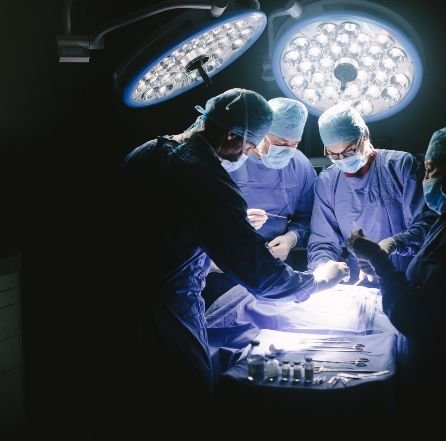
Benefits of Umbilical Hernia Surgery
01
Permanent Hernia Repair
Mesh reinforcement provides a strong, durable closure, significantly reducing the risk of recurrence compared to suture-only repair.
02
Excellent Cosmetic Result
The incision is hidden within the natural crease of the belly button, leaving a barely visible scar.
03
Laparoscopic Option For Large Hernias
For larger or recurrent umbilical hernias, a minimally invasive laparoscopic approach uses small incisions away from the navel, reducing wound complications.
04
Shorter Recovery Time
Most patients return to light work within 1–2 weeks and full activities within 3–4 weeks following surgery.
05
Low Recurrence Rate
With modern mesh techniques and Mr Pawa’s expertise, recurrence rates for primary umbilical hernia repair are well below 2-3%.
06
Day-Case Procedure
The vast majority of umbilical hernia repairs are performed as day-case surgery, allowing you to return home the same day.
07
Prevents Emergency Complications
Elective repair eliminates the risk of strangulation (blood supply cut off to trapped bowel), which requires emergency surgery and carries higher risks.
08
Performed by a Global Expert
Mr. Nikhil Pawa, renowned for expertise in laparoscopic and open hernia surgery, brings over 20 years of experience in high-volume abdominal wall repair.
Our Process
Specialist Consultation
Your journey begins with a thorough consultation with Mr Nikhil Pawa, where your belly button lump, symptoms, medical history, and activity levels are carefully reviewed. This helps determine if surgery is right for you and which technique (open or laparoscopic) is best.
Ultrasound or CT Diagnosis
If needed, we arrange an abdominal ultrasound or CT scan to assess the hernia defect size, contents (fat vs bowel), and rule out other abdominal wall issues. This ensures precise surgical planning.
Tailored Surgical Planning
If you are a candidate for surgery, we create a personalised plan — open mesh repair for small to medium hernias (≤2cm) or laparoscopic repair for larger, recurrent, or complex hernias — tailored to your anatomy, occupation, and recovery goals.
Surgery & Recovery
The procedure is performed under general anaesthetic. Open repair uses a single 2-4cm incision hidden within the umbilicus. Laparoscopic repair uses three small incisions away from the navel. Most patients go home the same day, with simple pain relief and guidance to resume gentle activities within days.

Locations
FAQs
It is a surgical procedure to repair a weakness in the abdominal wall at the belly button. The protruding tissue is returned to the abdomen, and the defect is closed, usually with a mesh for reinforcement.
Through a small incision hidden inside the navel (open) or small incisions away from the navel (laparoscopic), the surgeon reduces the hernia contents and places a mesh to strengthen the abdominal wall, preventing recurrence.
Umbilical hernia surgery treats primary umbilical hernias (present from birth or acquired in adulthood), paraumbilical hernias, recurrent umbilical hernias, and small ventral hernias near the navel.
Mesh repair significantly lowers recurrence rates (from 10-15% with sutures to <2% with mesh). Modern meshes are lightweight, flexible, and associated with low chronic pain or foreign body sensation.
You are a candidate if you have a symptomatic umbilical hernia (pain, bulge, discomfort), an enlarging hernia, or even an asymptomatic hernia that you wish to repair electively to avoid future emergency complications.
After open repair, most patients return to desk work in 7-10 days and full physical activity (including gym) in 3-4 weeks. After laparoscopic repair, recovery is often faster. Lifting heavy objects should be avoided for 4-6 weeks. Mr Pawa will give you personalised guidance.
Umbilical Hernia Surgery in London
Expert Open & Laparoscopic Hernia Repair With Excellent Cosmetic Results