
Specialties
Robotic Colorectal Surgery
Robotic Colorectal Surgery
Consultant Colorectal and General Surgeon in London
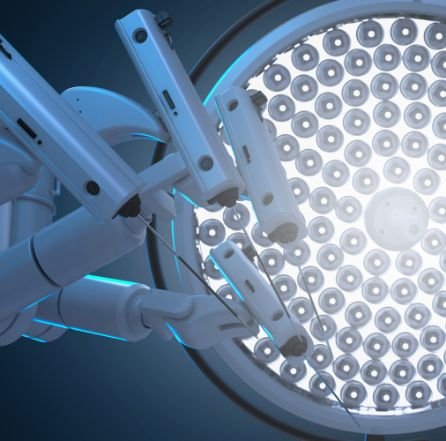
Robotic colorectal surgery is an advanced minimally invasive approach that uses a state-of-the-art robotic system to perform complex colorectal procedures with enhanced precision, dexterity, and visualisation. This technology is particularly beneficial for rectal cancer, diverticular disease, inflammatory bowel disease, and other colorectal conditions requiring meticulous dissection in narrow anatomical spaces.
Mr Nikhil Pawa is a specialist in robotic colorectal surgery, utilising the latest robotic platforms to achieve superior outcomes for his patients across leading hospitals in London.
Benefits of Robotic Colorectal Surgery
01
Enhanced Surgical Precision
The robotic system provides 3D high-definition vision and wristed instruments that mimic the human hand with greater range of motion, allowing ultra-precise dissection.
02
Better Nerve Preservation
Improved visualisation and fine control help preserve pelvic nerves, reducing the risk of bladder and sexual dysfunction — especially important in rectal cancer surgery.
03
Lower Conversion Rate to Open Surgery
Robotic assistance reduces the likelihood of converting to open surgery compared to conventional laparoscopy, particularly in complex or low rectal cases.
04
Shorter Hospital Stay
Patients typically return home sooner due to less pain, faster recovery, and fewer complications — often within 3–5 days.
05
Reduced Blood Loss & Transfusion Risk
Precise dissection and haemostasis lead to significantly less blood loss during robotic colorectal procedures.
06
Lower Risk of Positive Margins in Cancer Surgery
Robotic technology improves total mesorectal excision (TME) quality, reducing the risk of leaving cancer cells behind.
07
Quicker Return to Bowel Function
Enhanced recovery protocols combined with robotic minimally invasive techniques mean patients often resume normal bowel function days earlier than with open surgery.
08
Performed by a Global Expert
Mr. Nikhil Pawa, renowned for innovation in colorectal surgery, brings extensive fellowship-trained expertise in robotic colorectal procedures.
Our Process
Specialist Consultation
Your journey begins with a thorough consultation with Mr Nikhil Pawa, where your diagnosis, symptoms, previous treatments, and suitability for robotic surgery are carefully reviewed. This helps determine if robotic colorectal surgery is the right option for you.
Advanced Imaging
We arrange high-resolution CT, MRI, or endoscopic ultrasound to map the exact anatomy of your condition. These images are used to plan the robotic procedure with millimetre precision.
Robotic Surgical Plan
If you are a candidate, we create a personalised robotic surgical plan — whether it’s a right hemicolectomy, sigmoid colectomy, low anterior resection, or abdominoperineal resection — tailored to your specific diagnosis and anatomy.
Robotic Surgery & Recovery
The procedure is performed through small keyhole incisions using the robotic system. Most patients benefit from reduced pain, minimal scarring, faster return of bowel function, and significantly shorter hospital stay compared to open or conventional laparoscopic surgery.

Locations
FAQs
It is a minimally invasive surgical technique where the surgeon controls a robotic system from a console to perform colorectal procedures with enhanced precision, vision, and dexterity.
Small incisions are made in the abdomen. The robotic arms, equipped with miniature instruments and a 3D camera, are inserted. The surgeon sits at a console and controls every movement of the robot in real time.
Robotic colorectal surgery is used for rectal cancer, colon cancer, diverticular disease, inflammatory bowel disease (Crohn’s and ulcerative colitis), and benign polyps not removable by colonoscopy.
Robotic surgery offers superior 3D visualisation, tremor filtration, wristed instruments for greater dexterity, better nerve preservation (especially in the pelvis), and lower conversion rates to open surgery.
Most patients requiring colorectal surgery are candidates for a robotic approach. However, suitability depends on factors such as tumour size, extent of disease, previous abdominal surgeries, and overall health. A consultation with Mr Nikhil Pawa will confirm this.
Most patients return home within 3–5 days. Normal light activities can resume within 2–3 weeks, with a full recovery typically achieved by 4–6 weeks — significantly faster than open surgery.
Robotic Colorectal Surgery in London
Expert Surgical Solutions for Lasting Remission When You Need It Most.