
Specialties
Inflammatory Bowel Disease
Inflammatory Bowel Disease
Consultant Colorectal and General Surgeon in London
Most inflammatory bowel disease (IBD) results from chronic inflammation of the digestive tract, causing symptoms like abdominal pain, severe diarrhoea, fatigue, and weight loss. IBD surgery is an advanced treatment option that removes the diseased section of the bowel to control symptoms, improve quality of life, and reduce long-term complications when medications are no longer effective.
Mr Nikhil Pawa is a specialist in treating Crohn’s disease and ulcerative colitis, utilizing advanced laparoscopic and robotic techniques to address and manage these complex conditions.
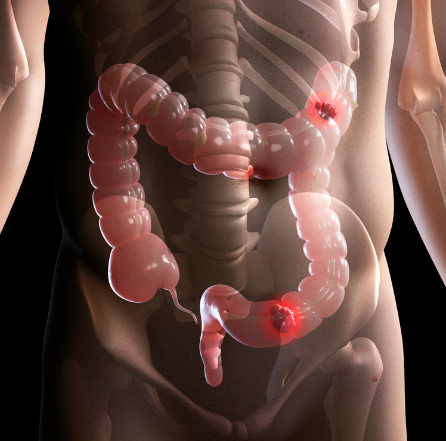
Benefits of Inflammatory Bowel Disease Surgery
01
Provides Lasting Symptom Relief
Removing the inflamed section of the bowel eliminates chronic pain, diarrhoea, and bleeding, offering significant improvement in daily life.
02
Reduces or Eliminates Medication Dependence
Surgery can reduce the need for long-term immunosuppressive medications and steroids, along with their side effects.
03
Minimally Invasive Options
Laparoscopic and robotic techniques use small incisions, leading to less pain, smaller scars, and faster recovery, even for complex IBD.
04
Prevents Disease Progression
Surgery removes strictures, fistulas, and abscesses caused by Crohn’s disease, preventing further complications and emergency admissions.
05
Shorter Hospital Stay
Enhanced recovery pathways mean most patients go home sooner, with fewer complications compared to emergency surgery for IBD.
06
Preserves Bowel Length
Advanced surgical techniques aim to remove only the diseased segment, preserving as much healthy bowel as possible to avoid short gut syndrome.
07
Performed by a Global Expert
Mr. Nikhil Pawa, renowned for innovation in colorectal surgery, brings extensive expertise in minimally invasive surgery for complex IBD.
08
Long-Term Remission & Quality of Life
Patients report excellent long-term outcomes, sustained relief from symptoms, and a significantly improved quality of life after surgery.
Our Process
Specialist Consultation
Your journey begins with a thorough consultation with Mr Nikhil Pawa, where your symptoms, medical history, previous medications, and IBD-related complications are carefully reviewed. This helps determine if surgery is the right treatment for you.
Advanced Imaging
We arrange high-resolution CT or MRI enterography, colonoscopy with biopsies, and sometimes capsule endoscopy to assess the extent and activity of your IBD. These results help confirm the diagnosis and plan the precise surgical approach.
Tailored Surgical Planning
If you are a candidate for surgery, we create a personalised plan to remove the diseased section of the bowel using the most appropriate technique—laparoscopic, robotic, or open—tailored to your specific condition and anatomy.
Surgery and Recovery
The procedure is performed through small incisions whenever possible. Most patients benefit from enhanced recovery protocols, experiencing less pain and returning to daily activities much sooner than with traditional surgery.

Locations
FAQs
It is a surgical procedure where the diseased section of the bowel is removed. For Crohn’s disease, this may involve removing a stricture or fistula. For ulcerative colitis, it may involve removing the entire colon (colectomy)
The procedure involves removing the inflamed or damaged segment of the bowel and rejoining the healthy ends (anastomosis). In some cases of ulcerative colitis, a temporary or permanent ileal pouch or stoma may be created.
IBD surgery is used to treat complications of Crohn’s disease (strictures, fistulas, abscesses, perforation) and ulcerative colitis (medically refractory disease, toxic megacolon, dysplasia, or cancer).
Surgery offers a cure for ulcerative colitis (by removing the colon) and provides lasting remission for Crohn’s disease by removing the diseased segment. It eliminates symptoms, reduces medication dependence, and removes cancer risk.
You may be a candidate if you have failed medical therapy, developed complications (strictures, fistulas, abscesses), have dysplasia or cancer, or have a significantly reduced quality of life due to IBD. A detailed consultation with Mr Nikhil Pawa will confirm this.
Most patients return home within 3–7 days. Normal light activities can resume within 2–4 weeks, with a full recovery typically achieved by 6–8 weeks. Enhanced recovery protocols help speed up healing.
Inflammatory Bowel Disease Surgery in London
Expert Surgical Solutions for Lasting Remission When You Need It Most.