
Specialties
Fistula in Ano Surgery
Fistula in Ano Surgery
Consultant Colorectal and General Surgeon in London
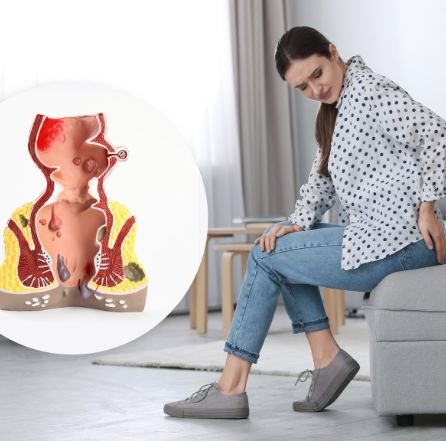
A fistula in ano is an abnormal tunnel that connects the anal canal or rectum to the skin near the anus. It usually develops after an anal abscess and can cause persistent drainage, pain, itching, and recurrent infections. Fistula surgery is an advanced treatment option that aims to cure the fistula while preserving anal sphincter function and continence.
Mr Nikhil Pawa is a specialist in treating complex anal fistulas, utilising cutting-edge techniques including fistulotomy, seton placement, advancement flaps, LIFT procedure, and laser or glue options to achieve excellent outcomes with minimal risk of incontinence.
Benefits of Fistula in Ano Surgery
01
High Cure Rate
Modern surgical techniques achieve cure rates of 85-98% for simple and complex fistulas, depending on the procedure used.
02
Preserves Sphincter Function
Sphincter‑sparing procedures (advancement flap, LIFT, laser) minimise the risk of faecal incontinence compared to traditional fistulotomy.
03
Stops Persistent Drainage
Surgery eliminates the chronic discharge of pus, blood, or stool from the external opening, improving hygiene and quality of life.
04
Resolves Pain & Discomfort
Removal of the infected tract relieves deep anal pain, especially during sitting or bowel movements.
05
Prevents Recurrent Abscesses
Curing the fistula prevents repeated episodes of perianal abscess formation and the need for emergency drainage.
06
Minimally Invasive Options
Techniques like laser closure, video‑assisted anal fistula treatment (VAAFT), and fistula plugs offer low‑pain, rapid‑recovery alternatives for selected patients.
07
Effective for Complex Fistulas
Even high, recurrent, or Crohn’s‑related fistulas can be managed with staged seton placement and definitive sphincter‑sparing surgery.
08
Performed by a Global Expert
Mr. Nikhil Pawa, renowned for expertise in complex proctology, brings over 20 years of experience in advanced fistula surgery across London.
Our Process
Specialist Consultation
Your journey begins with a thorough consultation with Mr Nikhil Pawa, where your symptoms, previous abscess drainage, medical history (especially Crohn’s disease), and examination findings are carefully reviewed. An EUA (examination under anaesthetic) may be planned if the fistula is complex.
Advanced Imaging
We arrange an MRI of the pelvis or endoanal ultrasound to map the fistula tract, identify internal openings, assess sphincter involvement, and rule out associated abscesses. This is essential for surgical planning.
Tailored Surgical Planning
If you are a candidate for surgery, we create a personalised plan — simple fistulotomy for low intersphincteric fistulas, or sphincter‑sparing procedures (advancement flap, LIFT, VAAFT, or laser) for high, recurrent, or anterior fistulas in women — tailored to your anatomy, continence status, and healing goals.
Surgery & Recovery
The procedure is performed under general or spinal anaesthetic. Most fistula surgeries are day‑case procedures. Loose setons (if needed) remain in place for weeks to months before definitive repair. Enhanced recovery protocols help minimise pain and allow return to light activities within days.

Locations
FAQs
A fistula in ano is an abnormal tunnel connecting the inside of the anal canal to the skin around the anus. It usually follows an anal abscess that does not heal properly.
Depending on the fistula type, surgery may involve laying open the tract (fistulotomy), removing the tract and closing the internal opening (advancement flap), or using a seton to gradually cut through or drain the fistula before definitive repair.
Fistula surgery treats simple and complex cryptoglandular fistulas, recurrent fistulas, horseshoe fistulas, and fistulas associated with Crohn’s disease or trauma.
Fistulotomy has a high cure rate (>95%) but risks faecal incontinence (2‑10%) for high or anterior fistulas. Sphincter‑sparing procedures (advancement flap, LIFT) have slightly lower cure rates (70‑90%) but very low incontinence risk (<2%).
You are a candidate if you have a confirmed anal fistula with symptoms (drainage, pain, recurrent abscesses). Even asymptomatic fistulas may be repaired electively to prevent future complications. Crohn’s patients often require medical optimisation before surgery.
After fistulotomy, most patients return to desk work in 1‑2 weeks and full activity in 3‑4 weeks. After sphincter‑sparing procedures, recovery is similar but may take longer for complete wound healing (4‑8 weeks). Mr Pawa will give you personalised guidance.
Femoral Hernia Surgery in London
Expert Repair to Prevent Emergency Complications